Essential Jobs to Tackle Before the Cold Weather Arrives
How to Prepare Your Garden for Winter
As autumn turns into winter, it’s time to start thinking about protecting your garden from colder temperatures, frost and wet weather. While you might spend less time outdoors during the winter months, taking care of a few important jobs now can make a big difference to how your garden looks when spring arrives.
From clearing fallen leaves and protecting plants to checking your fencing and preparing your lawn, there are plenty of ways to keep your outdoor space in good condition throughout the colder months.
Whether you have a small garden or a larger outdoor space, preparing your garden for winter doesn’t have to be complicated.
At The Full Works, we have over 25 years of landscaping experience and understand the importance of maintaining an attractive and practical outdoor space throughout the year. Here are eight jobs worth adding to your winter garden checklist.
1. Clear Fallen Leaves and Garden Debris
One of the first jobs to tackle is clearing fallen leaves from your lawn, patios and pathways.
Although autumn leaves can look attractive, thick layers left on your lawn can block sunlight and trap moisture, potentially damaging the grass underneath.
Regularly rake or collect fallen leaves, particularly after windy weather. You can also collect suitable leaves and store them separately to create leaf mould, which can be used to improve your garden soil.
Don’t forget to clear leaves from:
– Patios and paved areas.
– Garden pathways and steps.
– Lawn edges and planting borders.
– Gutters and drainage channels.
– Areas underneath garden furniture.
Keeping these areas clear will help your garden look tidier and reduce the risk of slippery surfaces.
2. Give Your Lawn Some Attention
Your lawn might not need as much attention during winter, but preparing it before temperatures drop can help it recover when the growing season returns.
Before winter sets in, consider giving your lawn a final cut if the grass is still growing. Avoid cutting it too short, as slightly longer grass is generally better equipped to cope with colder conditions.
It’s also worth:
– Removing fallen leaves regularly.
– Clearing away excessive moss and thatch where necessary.
– Repairing bare patches when weather conditions are suitable.
– Checking for areas where water regularly collects.
– Avoiding walking on the lawn when it is frosty or waterlogged.
If your lawn is looking particularly tired, patchy or uneven, it could be worth considering a new natural turf installation or artificial grass as part of a future garden makeover.
3. Protect Plants, Shrubs and Garden Borders
Frost and freezing temperatures can damage certain plants, particularly those that are less suited to colder conditions.
Before winter arrives, take a look around your garden and identify any plants that may need additional protection.
Some simple steps include:
Move vulnerable plants: If you have tender plants in pots, consider moving them into a sheltered position or somewhere frost-free.
Use protective coverings: Horticultural fleece can help protect vulnerable plants during periods of frost.
Add mulch to borders: A layer of organic mulch around suitable established plants can help protect roots and improve soil conditions.
Check your containers: Raise pots slightly using pot feet to help excess water drain away and reduce the risk of waterlogging.
It’s also worth checking the individual care requirements of your plants before pruning, as some varieties benefit from being left alone until spring.
4. Check Your Garden Fencing
Winter weather can be particularly challenging for garden fencing. Strong winds, heavy rain and storms can put additional pressure on fence panels and posts.
Autumn is a good opportunity to check that your fencing is secure before the worst of the weather arrives.
Look for:
– Loose or damaged fence panels.
– Wobbly or leaning posts.
– Broken trellis.
– Damaged gates and hinges.
– Signs of rot or deterioration.
Addressing minor problems early could help prevent further damage during winter storms.
If your fencing is looking tired or no longer provides the privacy you need, it might be worth considering a replacement as part of your garden improvement plans.
5. Clean Your Patio and Garden Pathways
Patios and pathways can become slippery during winter due to damp conditions, moss and algae.
Giving your paving a clean before the colder weather arrives can help remove built-up dirt and organic debris.
Pay particular attention to shaded areas where moisture tends to linger.
It’s also a good opportunity to check for:
– Loose or uneven paving slabs.
– Damaged pointing or joints.
– Areas where water regularly pools.
– Blocked drainage channels.
If your patio has become uneven or difficult to maintain, a new patio installation could be a worthwhile investment when planning your next garden transformation.
6. Protect Garden Furniture and Outdoor Equipment
Garden furniture and outdoor accessories can deteriorate if they’re left exposed to prolonged wet and cold weather.
Before winter arrives, clean and dry your furniture and store removable cushions, parasols and accessories somewhere sheltered.
Other useful jobs include:
– Covering outdoor furniture with suitable weather-resistant covers.
– Cleaning and storing BBQs according to the manufacturer’s instructions.
– Draining garden hoses and storing them somewhere frost-free.
– Cleaning gardening tools before putting them away.
– Securing lightweight garden decorations and accessories.
These simple steps can help protect your outdoor equipment and reduce the amount of work needed when spring arrives.
7. Check Your Garden Drainage
Drainage is particularly important during winter when prolonged periods of rainfall can leave gardens feeling waterlogged.
If you regularly notice puddles forming in the same areas, it could indicate that water isn’t draining away effectively.
Take a walk around your garden after heavy rainfall and look for:
– Water collecting on patios or driveways.
– Areas of lawn that remain waterlogged.
– Blocked drainage channels.
– Water gathering around garden borders.
– Soil that becomes particularly saturated.
Poor drainage can affect lawns, planting areas and paved surfaces, so it’s worth investigating recurring problems rather than simply waiting for the water to disappear.
Depending on the cause, improvements to the ground levels, drainage arrangements or landscaping design may help resolve the issue.
8. Start Planning Your Spring Garden Makeover
Just because winter is approaching doesn’t mean you should stop thinking about your garden.
In fact, the quieter months can be a great opportunity to start planning improvements for the following year.
Perhaps you’ve been thinking about replacing an old patio, installing new decking or creating a completely different garden layout.
Starting your plans early gives you more time to explore different designs, compare materials and decide what will work best for your property.
Some popular garden improvements to consider include:
– New patios and paving: Create an attractive area for outdoor dining and entertaining.
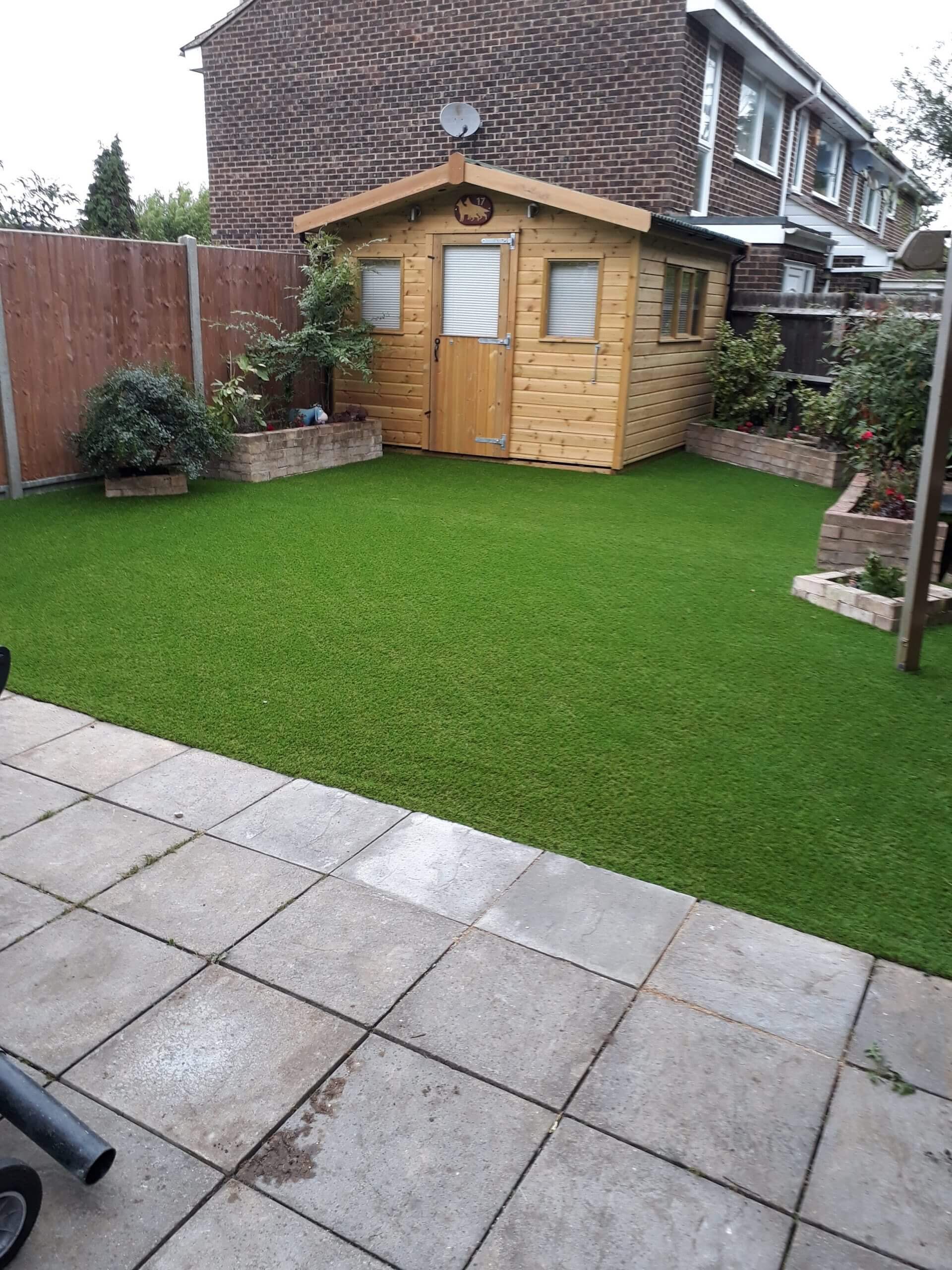
– Artificial grass: Enjoy a green lawn without the regular mowing required by natural grass.
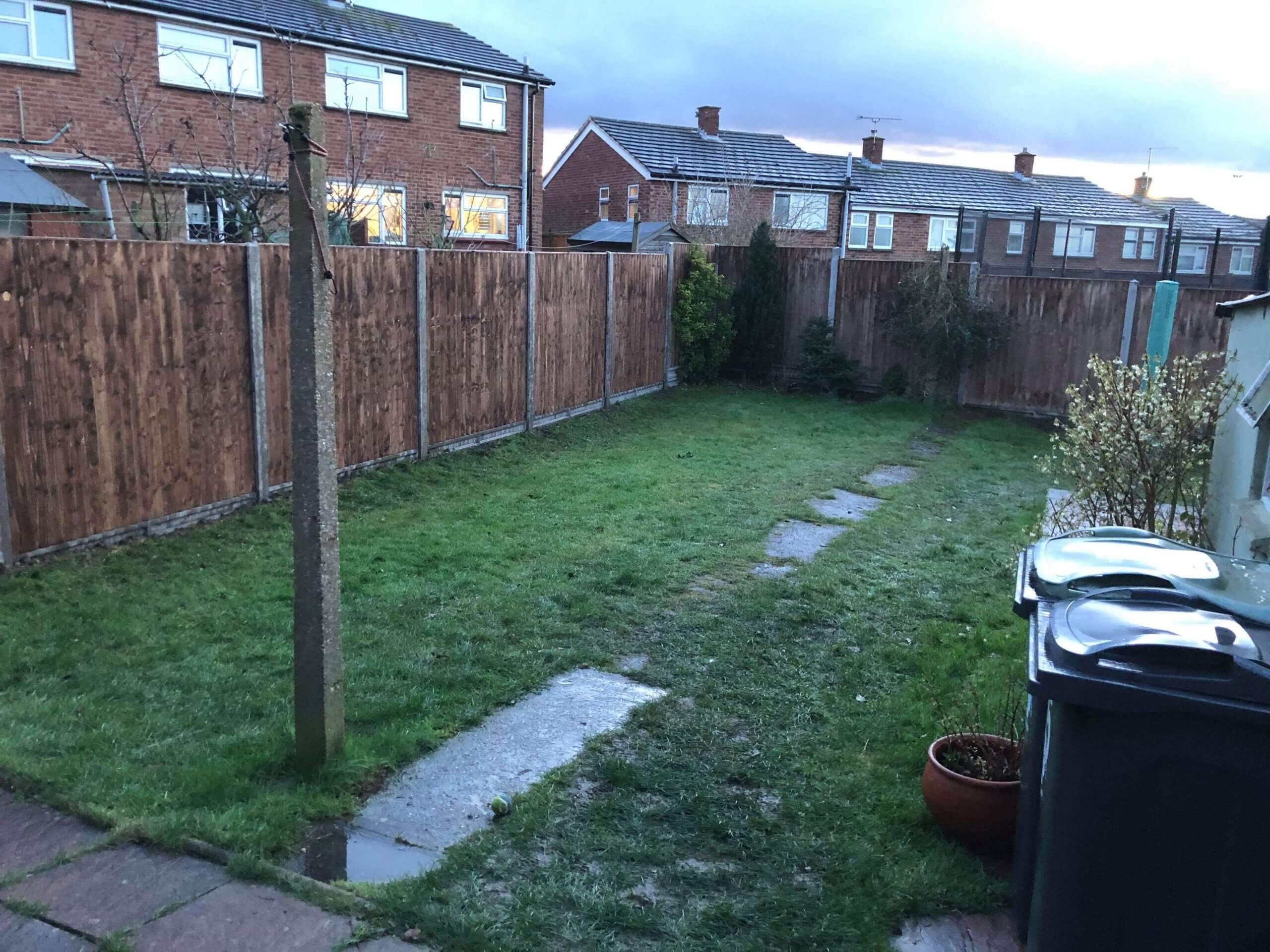
– Natural turfing: Introduce a fresh, traditional lawn to your outdoor space.
– Garden fencing: Improve privacy and give your garden a refreshed appearance.
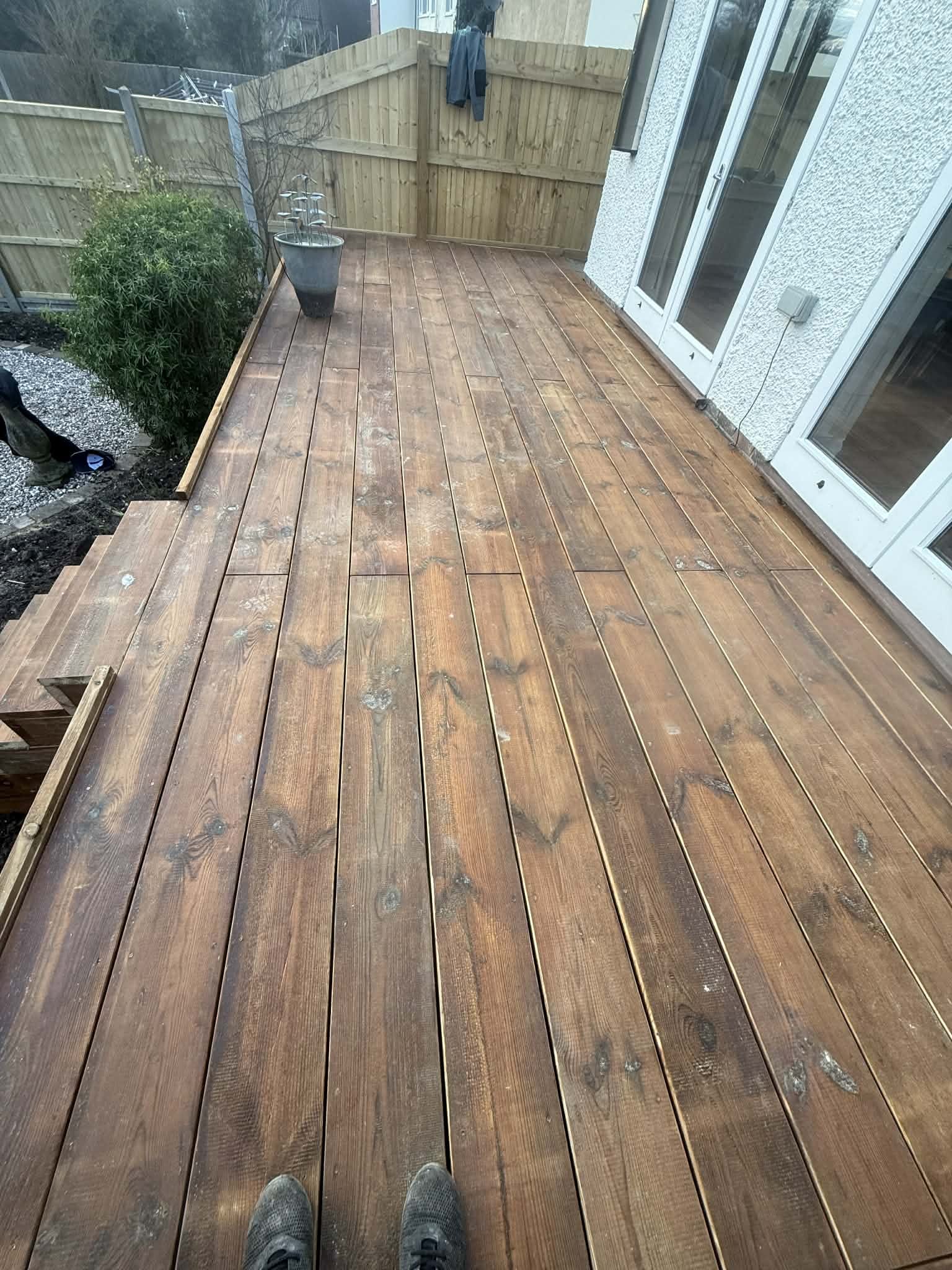
– Decking: Create a dedicated area for relaxing and entertaining.
– Garden design: Bring different features together to create a more practical and attractive outdoor space.
At The Full Works, we provide professional garden design and installation, helping homeowners turn their ideas into outdoor spaces they can enjoy.
When Should You Start Preparing Your Garden for Winter?
Ideally, winter garden preparation should begin during autumn, before the first significant frosts and periods of prolonged wet weather.
However, there isn’t one specific date that applies to every garden. Weather conditions vary, so it’s important to adapt your gardening jobs to the conditions.
Some tasks, such as clearing leaves and checking fencing, can be carried out throughout autumn and winter whenever conditions are suitable.
Other jobs, including planting, lawn repairs and landscaping work, may be better completed at different times depending on the weather and ground conditions.
The important thing is to give your garden some attention before winter arrives rather than leaving everything until spring.
Transform Your Outdoor Space with The Full Works
Preparing your garden for winter is a great way to protect your outdoor space and make sure it’s ready to enjoy when warmer weather returns.
If you’re also considering a bigger garden transformation, now is an excellent time to start planning.
Based in Saffron Walden, Essex, The Full Works has over 25 years of landscaping experience and takes pride in delivering professional garden design and installation with exceptional attention to detail.
From patios and paving to driveways, fencing, decking, artificial grass and natural turfing, we offer a range of landscaping services to help you make the most of your outdoor space.
Thinking about improving your garden?
Contact The Full Works today to arrange a free, no-obligation site visit and quotation.